Take control of your heart health — check your cholesterol in minutes.
Over 60% of UK adults have raised cholesterol — and most don’t know it.
Cholesterol is one of the most important markers of long-term health. High levels often show no symptoms, but significantly increase your risk of heart disease, stroke, and Type 2 diabetes.
According to the NHS, high cholesterol is linked to around 1 in 4 UK deaths from cardiovascular disease.
Testing is a simple first step — and it’s never too early to check.
Book Your Cholesterol Test NowBook Your Test Now for only £39.00
This Test Gives You Fast Insight Into All Three Types of Your Cholesterol and Triglycerides
TCH (total cholesterol), LDL-C (bad cholesterol), HDL-C (good cholesterol) and TG (triglycerides)
All key players in your heart and metabolic health.
High cholesterol levels often are a key risk factor for a common type of heart disease called coronary artery disease. Coronary artery disease can lead to conditions such as heart attack and stroke. You should test your cholesterol if you:
-
Early Detection:
Have a family history of heart disease or high cholesterol.
-
Effective Management:
Have high blood pressure.
-
Prevents Complications:
Have Type 2 diabetes, or are overweight.
-
Prevention:
Are over 40 years old — or over 30 with additional risk factors.
-
Wellbeing:
Want a baseline health check to support long-term wellbeing.
High Cholesterol Usually Causes No Symptoms
But it can silently damage your arteries over time. Even without symptoms, cholesterol testing is recommended every 5 years in healthy adults — and more often if risk factors are present. You may be at higher risk if you:
-
Fatigue and General Weakness
Feel tired or breathless more often than usual.
-
Excessive Weight
Have a high BMI or carry weight around your waist.
-
Bad Habits
Smoke or Drink Regularly.
-
Unhealthy Diet
Eat a diet high in saturated fats or processed food.
-
Family Heart Disease
Have a family history of early heart problems or stroke.
-
Lifestyle
Have a sedentary lifestyle.
Monitoring Health with the 4 in 1 Cholesterol Test
A complete cholesterol test measures the amounts of four types of fats in blood.
A complete cholesterol test can also help find out whether your cholesterol is high. It also can help gauge your risk of heart and blood vessel diseases.
-
This is a sum of the blood's cholesterol content.
-
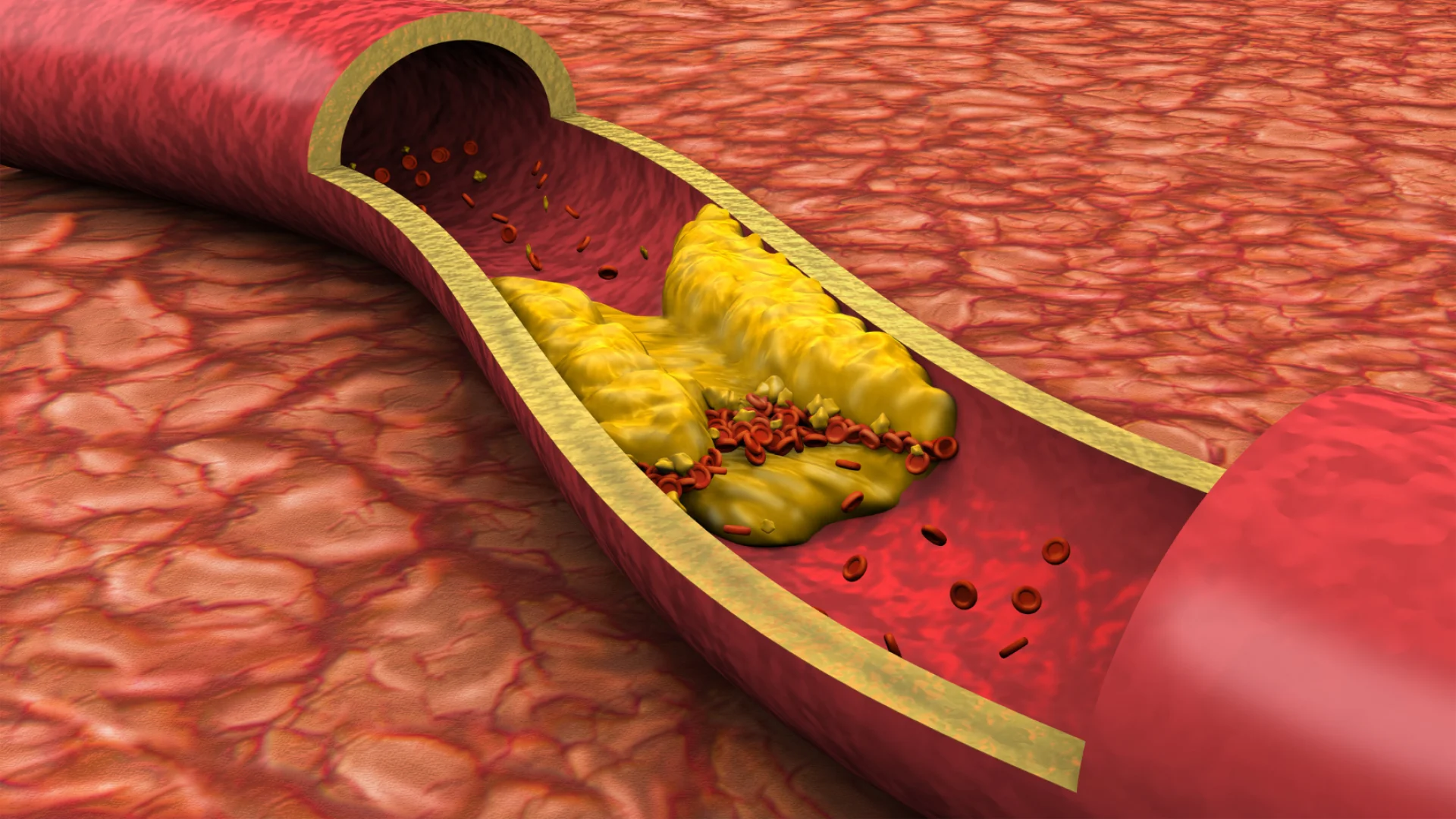
This is called the "bad" cholesterol. Too much of it in the blood causes the buildup of plaque in arteries. Plaque limits blood flow. Sometimes, plaque also breaks apart. That can lead to a heart attack or stroke.
-
This is called the "good" cholesterol. It helps carry away LDL cholesterol, the bad cholesterol. That keeps arteries open and blood flowing more freely.
-
Triglycerides are a type of fat in the blood. When you eat, your body converts calories it doesn't need into triglycerides. Triglycerides are then stored in fat cells.
High triglyceride levels are linked with many risk factors. These include being overweight, eating too many sweets or drinking too much alcohol. Smoking, being inactive or having diabetes also may raise the risk of high triglycerides.

-
1
Drink water and take your medications normally before the test. To get a more accurate results we recommend to fast 8h before.
-
2
Trained healthcare professionals will draw a tiny amount of blood from your arm with minimal discomfort.
-
3
We analyse your blood with our performant analyser to measure your Cholesterol levels accurately, offering fast results.
-
4
The analysis takes only up to 15 minutes.
-
5
Your results will show fast insight into your
- TCH (total cholesterol)
- LDL-C ("bad")
- HDL-C ("good")
- TG (triglycerides)
- all key players in your heart and metabolic health. If imbalances are detected further tests are recommended.
-
6
Your healthcare provider may then recommend lifestyle changes, medications or additional diagnostic tests to address any Cholesterol concerns.
Ready to Manage Your Cholesterol Levels? Start Here
Regular Cholesterol testing is crucial for monitoring your overall health, your heart and metabolic health, and helps your doctor adjust your treatment plan as needed.

Understanding Your Cholesterol Results
| Biomarker | Range (mmol/L) | Interpretation |
|
TCH
|
<5.2 mmol/L
|
Normal:
Desirable level; low CVD risk |
|
TCH
|
5.2 – 6.0 mmol/L
|
Borderline:
Mild elevation; assess full lipid profile |
|
TCH
|
>6.0 mmol/L
|
High:
Increased CVD risk; review lifestyle and consider intervention |
|
LDL Cholesterol
|
<3.0 mmol/L
|
Normal:
Low risk of arterial plaque formation |
|
LDL Cholesterol
|
3.0 – 4.0 mmol/L
|
Borderline:
Monitor and assess with other risk factors |
|
LDL Cholesterol
|
>4.0 mmol/L
|
High:
Raised risk of atherosclerosis and heart disease |
|
HDL (Men)
|
<1.0 mmol/L
|
Low:
Increased risk of cardiovascular disease |
|
HDL (Men)
|
1.0 – 1.55 mmol/L
|
Normal:
Protective range |
|
HDL (Men)
|
>1.55 mmol/L
|
High:
Very protective; excellent lipid balance |
|
HDL (Women)
|
<1.1 mmol/L
|
Low:
Higher risk of arterial disease |
|
HDL (Women)
|
1.1 – 1.65 mmol/L
|
Normal:
Healthy range |
|
HDL (Women)
|
>1.65 mmol/L
|
High:
Very protective |
|
Triglycerides
|
<1.7 mmol/L
|
Normal:
Lower heart disease and stroke risk |
|
Triglycerides
|
1.7 – 2.2 mmol/L
|
Borderline:
Mild elevation; dietary review advised |
|
Triglycerides
|
>2.2 mmol/L
|
High:
Increased cardiometabolic risk |
|
Cholesterol: HDL Ratio
|
<4.0 mmol/L
|
Ideal:
Good lipid balance; lower risk |
|
Cholesterol: HDL Ratio
|
4.0 – 5.0 mmol/L
|
Moderate:
Evaluate other lipid markers and risk factors |
|
Cholesterol: HDL Ratio
|
>5.0 mmol/L
|
High:
Increased risk of cardiovascular events |