Take Control of Your Iron
Did you know? In the UK, iron deficiency anemia affects 3% of men and 8% of women and this causes more than 57,000 emergency hospital admissions per year. Early detection helps prevent serious complications and improve your overall well-being.
Don’t Be Part of the Stats
Schedule your Ferritin Test Today!Book Your Test Now at only £39.00
Boost Your Energy with Ferritin Testing
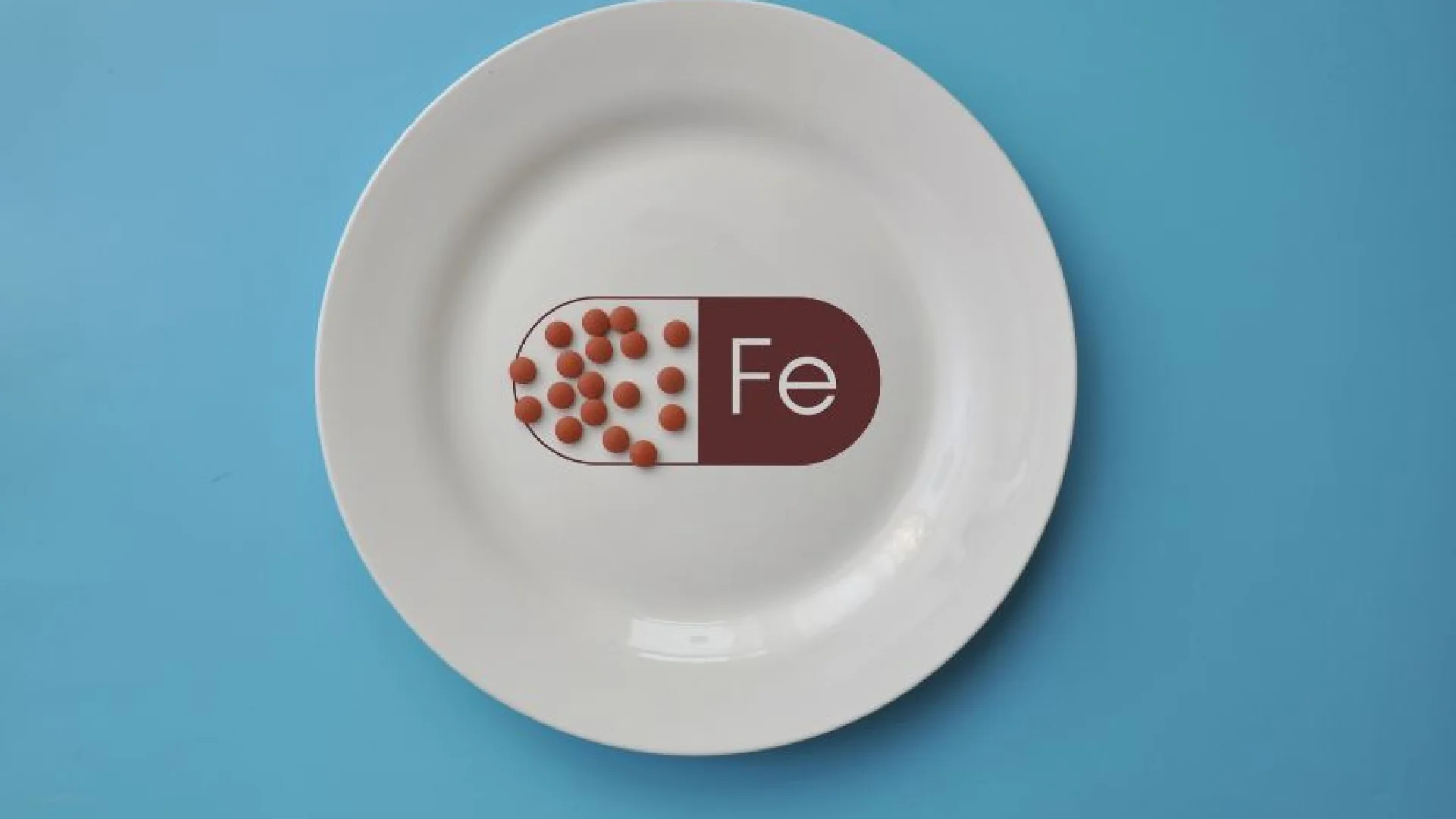
Feeling constantly fatigued or experiencing other unexplained symptoms? The ferritin test shows how much iron is stored in your body and identifies deficiencies or excesses that may affect your health. Iron imbalances go unnoticed until they become problematic. Regular testing catches these problems early. Monitoring ferritin helps your body get enough iron for oxygen transport and energy production.
-
Detect Iron Deficiency:
Find early anemia or low iron signs.
-
Monitor Iron Overload:
Check out for hemochromatosis or other iron-related disorders.
-
Improve Energy Levels:
Address iron imbalances causing fatigue or weakness.
-
Support Overall Health:
Discover how inflammation & chronic health conditions affect iron levels.
Symptoms Indicating the Need for Ferritin Testing
Iron deficiencies could be affected by shared nutritional habits or hereditary elements. If you are identified as having low iron, try testing your family to ensure premature detection and control.
-
Fatigue or Unexplained Tiredness
Persistent exhaustion after adequate rest may signal low iron levels. Without enough iron, your body can not make enough hemoglobin, so you lose oxygen transport and energy production.
-
Weakness/Low Energy
Iron deficiency weakens muscle so you feel weak and unable to do everyday tasks.
-
Dizziness or Light-Headedness
Low iron causes feelings of faintness, dizziness or instability in the brain when oxygen delivery is reduced - especially standing.
-
Pale Skin
Bleached skin is a classic symptom of anemia because skin lacks hemoglobin, the red pigment in blood cells.
-
Unexplained Hair Loss
Insufficient iron might disrupt hair growth and cause more hair shedding or noticeable thinning.
-
Shortness of Breath
Your body compensates for low oxygen levels due to iron deficiency by improving breathing rate, causing a sensation of breathlessness, even during gentle tasks.
-
Cold Hands and Feet
Poor circulation because of low oxygen levels results in cold hands and feet, no matter the temperature.
-
Restless Legs Syndrome (RLS)
An iron deficiency has been linked to this unsettling condition - recognised by an irresistible desire to move your legs, especially when at night.
-
Rapid or Irregular Heartbeat
Your heart might work harder to compensate for less oxygen in the blood - this could cause palpitations, a racing heart or irregular rhythms.
-
Headaches
Lacking oxygen delivery to the brain may cause severe headaches with fatigue and poor concentration.
-
Concentration Problems/Memory Issues
Low iron levels cause brain fog and decrease focus or retention of information.
-
Muscle Weakness
Iron deficiency decreases oxygen supply to muscles and causes weakening and frequent cramps.
How and What We Measure
The Ferritin Test is a crucial diagnostic tool to assess your body 's iron storage levels, offering important insights into your overall iron balance, helping to detect overload, adequacy, or iron deficiency.
-
- Ferritin Levels in the Blood: Iron stores in ferritin for the body and is released when needed. Measuring ferritin levels reveals your body's total iron reserves.
- Detect Low Iron (Iron Deficiency): Finds out if your body has enough iron to make hemoglobin - causing fatigue, weakness and anemia.
- Confirm Normal Iron Levels: Gives your body enough iron for normal function.
- High Iron (Iron Overload): Identify High Iron: Evaluates hemochromatosis, where excess iron can build up and harm organs.
-
- Iron Storage: Ferritin stores iron in your cells and releases it if needed, keeping a balance between supply and demand.
- Sign of Health: Low ferritin levels are usually the first hint of iron deficiency, even before anemia develops. Conversely, tall ferritin levels may suggest problems such as for instance chronic inflammation, liver disorders, or maybe iron overload disorders.
- Key to Diagnosis: Because ferritin levels could be affected by numerous elements (e.g., inflammation), infections, interpreting outcomes along with clinical symptoms and other tests (like hemoglobin and also transferrin saturation) is essential for accurate diagnosis.
-
Iron plays a crucial part in oxygen transport, energy production, and overall cellular function. Imbalances in iron storage can have wide ranging effects, including:
- Low Ferritin: : Leads to decreased oxygen carrying capacity, hair loss, causing fatigue, along with low immunity.
- High Ferritin: May deposit toxic iron in organs and increase the risk of liver disease or heart problems.

-
1
You need not prepare anything special. Eat and drink normally before the test.
-
2
A very small amount of blood is taken from a finger prick with minimal discomfort and the ferritin level is measured accurately.
-
3
The collected blood sample is applied to a test card and processed by advanced machine technology.
-
4
We will analyse your sample and have the results within 15 minutes. You can wait this brief period comfortably.
-
5
Your results will show your ferritin levels - whether your body stores iron well or not. A healthcare professional will explain what the results mean for your health.
-
6
Based on your results, you may discuss the following with your healthcare provider:
You may discuss the following with your healthcare provider based on your results:
- Additional testing/evaluations.
- Lifestyle changes / dietary recommendations/iron supplements.
- Additional meds if necessary.
Are you Running Low on Iron?
Check your ferritin levels effortlessly.

Understanding Your Ferritin Test Results
A ferritin blood test measures the degree of ferritin, a protein which stores iron in your body. It offers a clear image of your iron stores, that is crucial for creating hemoglobin - the protein in white blood cells responsible for oxygen transport.
| Gender | Ferritin Level (ng/mL) | What It Means for Your Health |
|
Male
|
Less than 30 ng/mL
|
Low Levels:
Indicates iron deficiency, which can cause fatigue, weakness, and anemia. Requires iron supplementation and dietary changes. Retest after 3 months of treatment. |
|
Female
|
Less than 13 ng/mL
|
Low Levels:
Indicates iron deficiency, which can cause fatigue, weakness, and anemia. Requires iron supplementation and dietary changes. Retest after 3 months of treatment. |
|
Male
|
30 to 400 ng/mL
|
Normal Levels:
Indicates adequate iron storage levels for healthy red blood cell production. Maintain with a balanced diet rich in iron. Retest annually to monitor levels. |
|
Female
|
13 to 150 ng/mL
|
Normal Levels:
Indicates adequate iron storage levels for healthy red blood cell production. Maintain with a balanced diet rich in iron. Retest annually to monitor levels. |
|
Male
|
More than 400 ng/mL
|
High Levels:
Indicates excess iron, which may lead to organ damage and conditions like hemochromatosis. Consult a healthcare provider for further evaluation and management. Retest in 3-6 months. |
|
Female
|
More than 150 ng/mL
|
High Levels:
Indicates excess iron, which may lead to organ damage and conditions like hemochromatosis. Consult a healthcare provider for further evaluation and management. Retest in 3-6 months. |
Ferritin levels might be elevated because of chronic inflammation, liver disease, or infections, which might not be directly regarding iron levels. Hence, ferritin results must forever be viewed in the context of other medical findings and tests.